Medical Disclaimer
The information on this page is for educational purposes only and does not constitute medical advice. Every child's case is unique. Consult Dr. Swetha Rampally or a qualified pediatric neurologist for diagnosis and treatment recommendations specific to your child.
Movement Disorders
Tics, dystonia, tremors, chorea, and ataxia - accurately diagnosed and treated.

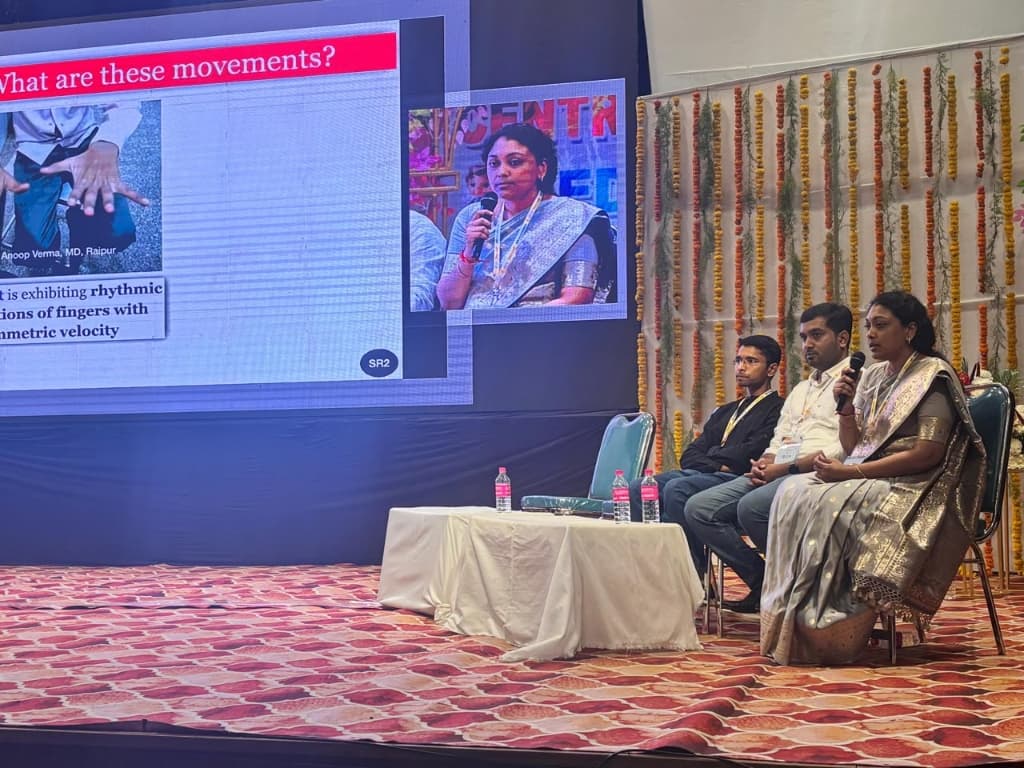
“Pediatric movement disorders include tics, dystonia, tremors, chorea and ataxia - abnormal involuntary movements that affect daily life. Because the underlying causes (genetic, metabolic, post-infectious, immune) differ widely, an accurate diagnosis is essential. We pair a careful clinical exam with targeted neurophysiology, MRI and, when needed, genetic testing.”
పిల్లల మూవ్మెంట్ డిజార్డర్స్లో టిక్స్, డిస్టోనియా, వణుకులు, కోరియా, అటాక్సియా ఉన్నాయి - రోజువారీ జీవితాన్ని ప్రభావితం చేసే అసాధారణ అనుసంధాన కదలికలు. మూల కారణాలు (జెనెటిక్, మెటబాలిక్, పోస్ట్-ఇన్ఫెక్షియస్, ఇమ్యూన్) చాలా భిన్నంగా ఉంటాయి కాబట్టి, ఖచ్చితమైన నిర్ధారణ అత్యవసరం. మేము జాగ్రత్తపూర్వక క్లినికల్ పరీక్షను లక్ష్యిత న్యూరోఫిజియాలజీ, MRI మరియు అవసరమైతే జెనెటిక్ పరీక్షలతో జతచేస్తాము.
Signs to watch for
- Repetitive blinking, throat-clearing, or jerks (tics)
- Twisted postures (dystonia)
- Tremor of hands or head
- Unsteady walking (ataxia)
How we evaluate & treat
- Detailed video documentation
- MRI brain & spine when indicated
- Metabolic & genetic panels
- Tailored medication & therapy referral
Frequently Asked Questions
Are tics dangerous?
Most tics in children are benign and reduce with age. Persistent, disabling or worsening tics need a neurologist's evaluation.
Movement Disorders care near you
Families from adjacent cities can easily coordinate outstation schedules. Same-day clinical Video EEG reports guarantee seamless single-day visits.
Kurnool
In-city
Nandyal
68 km · 90 min
Adoni
105 km · 130 min
Yemmiganur
55 km · 75 min
Dhone
65 km · 85 min
Anantapur
140 km · 165 min
Kadapa
195 km · 220 min
Mahbubnagar
100 km · 120 min
Proddatur
140 km · 165 min
Pulivendula
190 km · 210 min
Gadwal
60 km · 75 min
Wanaparthi
80 km · 90 min
Pebbair
65 km · 70 min
Guntakal
120 km · 135 min
Tadipatri
110 km · 120 min
Related Conditions We Treat
Epilepsy & Seizures (Fits)
Comprehensive evaluation and management of childhood epilepsies - from first seizure to complex, drug-resistant cases.
Autism Spectrum Disorder
Early identification, diagnostic clarity, and a coordinated plan for therapy and family support.
ADHD & Hyperactivity
Careful diagnosis of attention and behaviour concerns, with realistic plans that work at home and at school.
Need help scheduling an appointment?
Our centre coordinator is available to answer your questions and guide you through the process.