Identify warning signs early.
Common symptoms in children that may warrant clinical attention. Read what they look like, possible causes, and when you should consult a specialist.
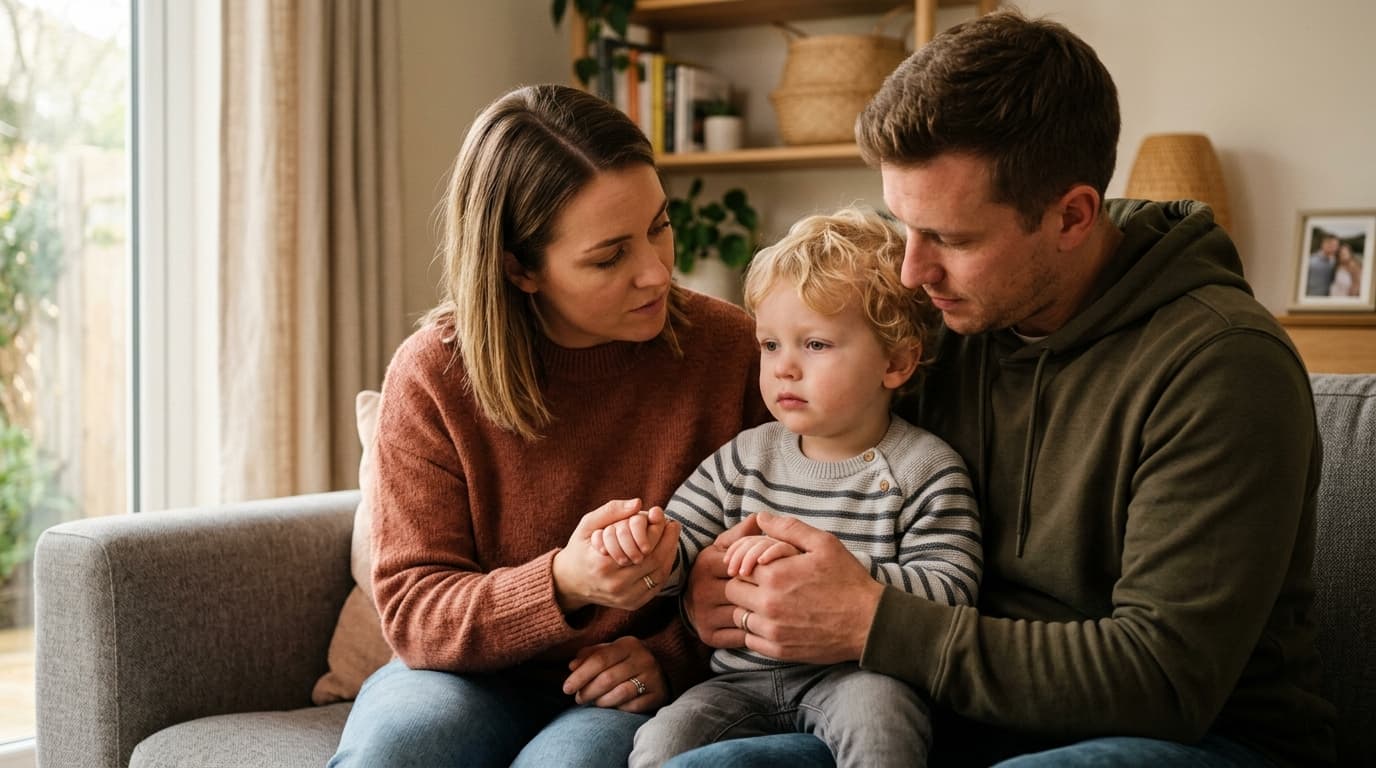
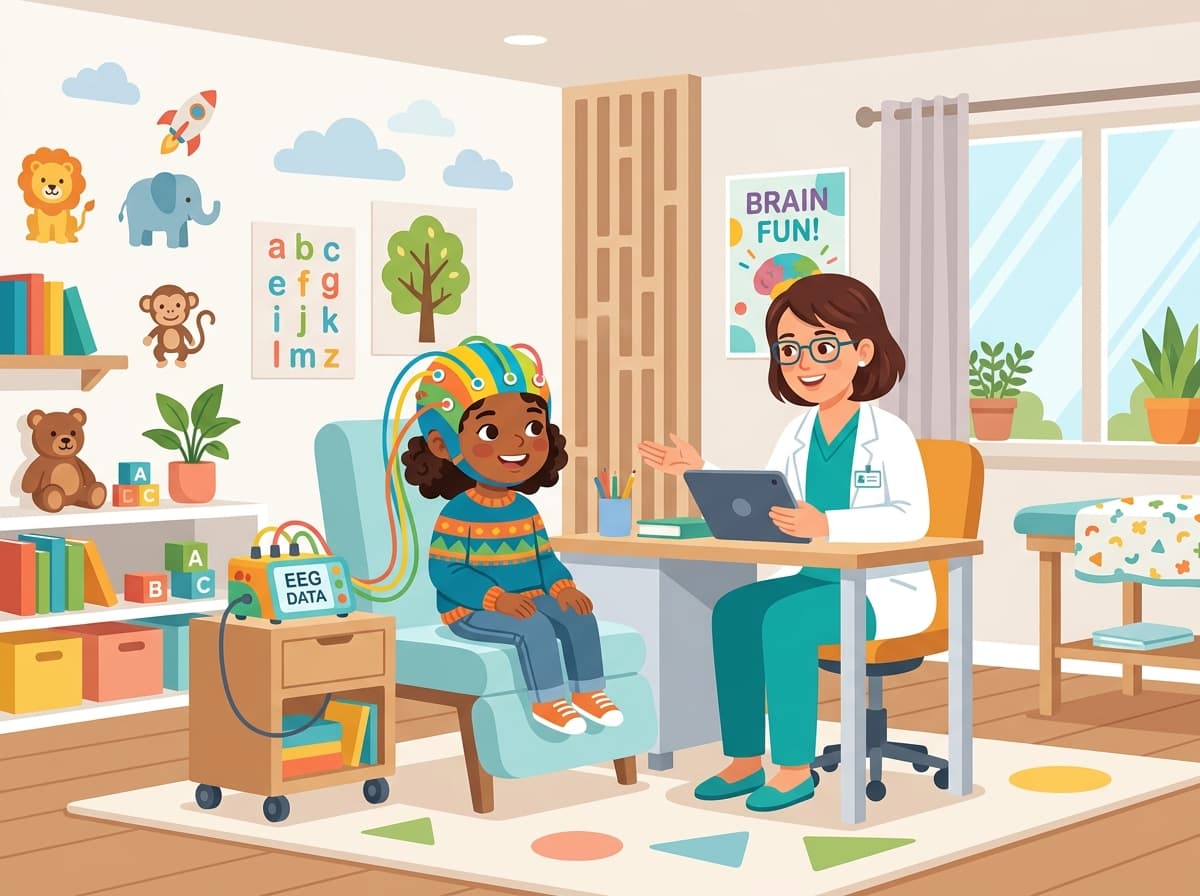
Child Having Fits / Seizures
What parents should look for during a suspected seizure, what to do, and when to consult a specialist.
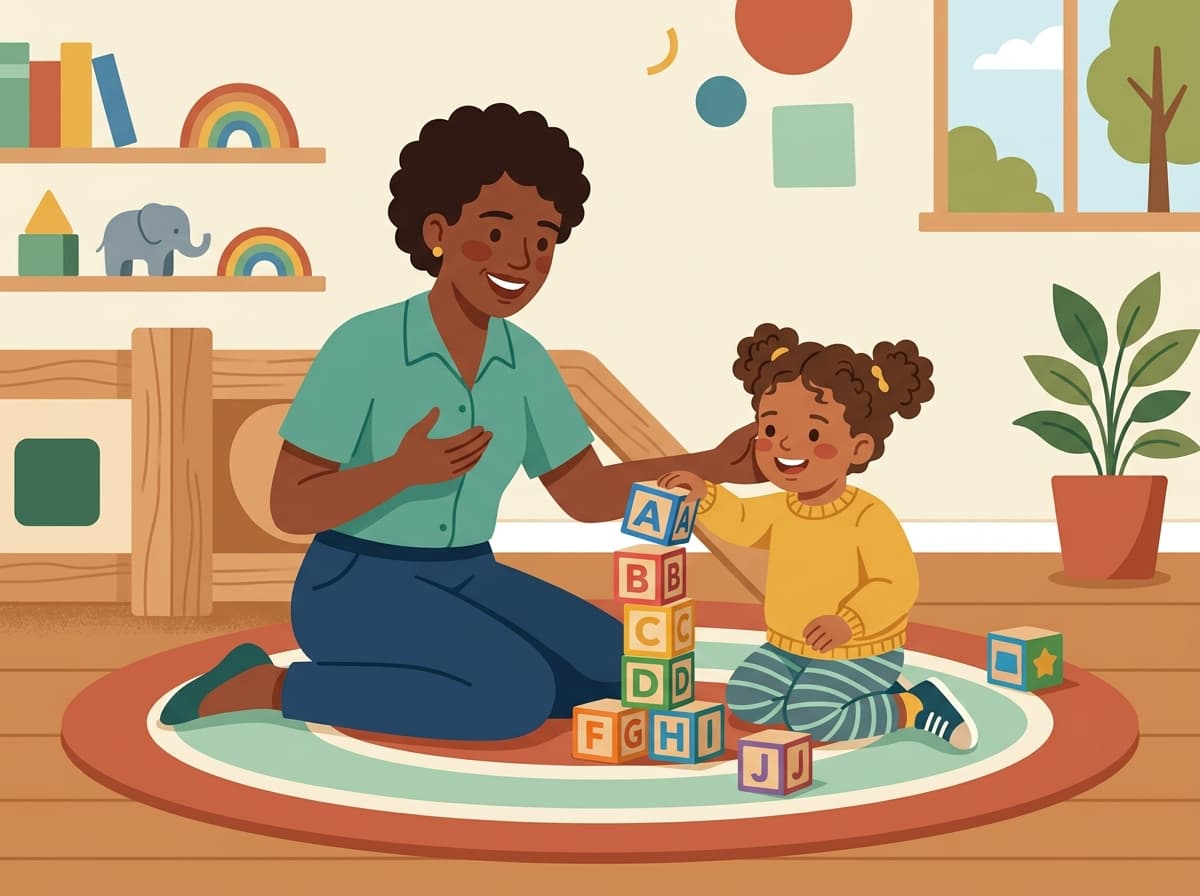
Child Not Speaking / Speech Delay
Understanding communication milestones, speech delays, and when to seek speech or developmental evaluation.
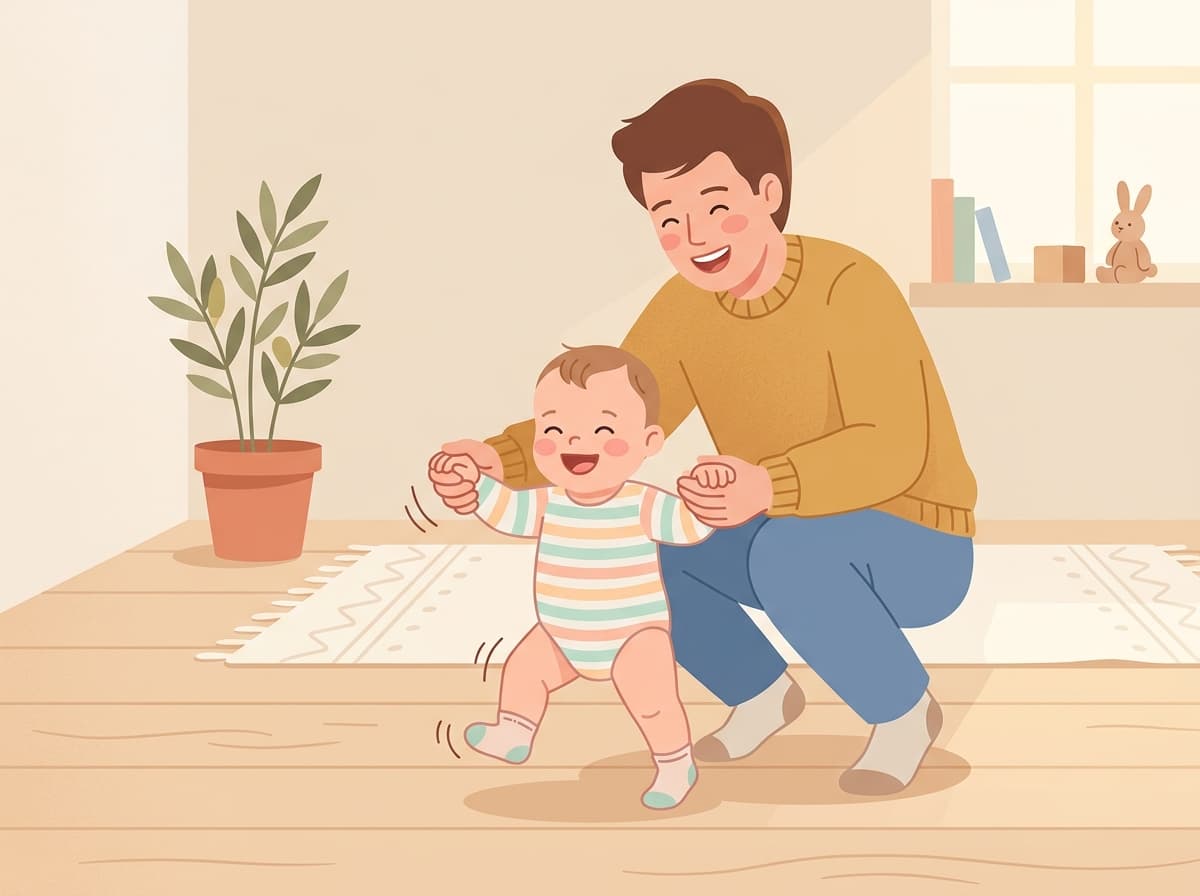
Delayed Walking / Motor Delay
When to investigate a child who is not sitting, crawling, or walking at typical developmental milestones.

Learning Problems & ADHD
Evaluating poor academic performance, inattention, hyperactivity, and specific learning disabilities.
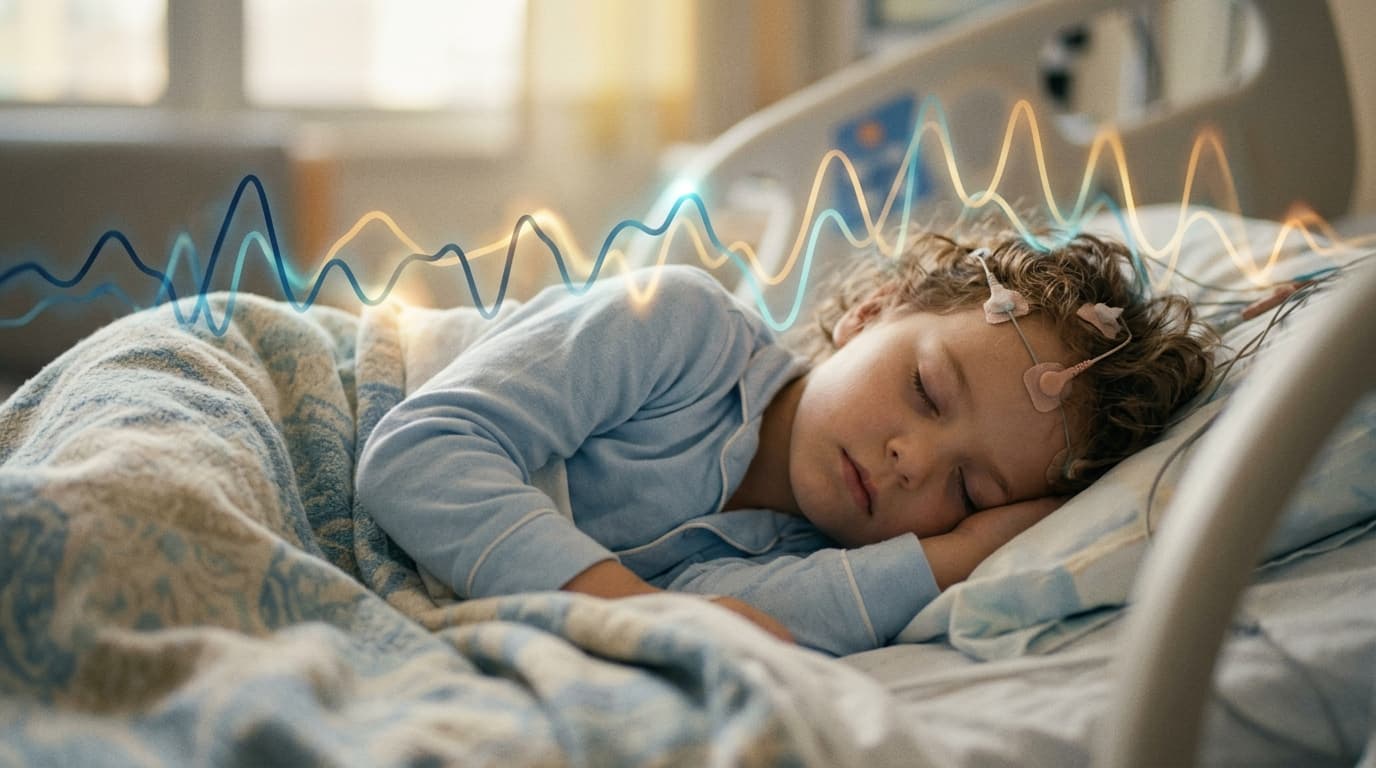
Child Eye Blinking or Eye Rolling Episodes
Rapid repetitive eye blinking, upward eye rolling, or eye deviation episodes in children may indicate absence seizures or other neurological conditions.

Child Staring Into Space / Blank Spells
Brief episodes where a child suddenly stops activity, stares blankly, and is briefly unresponsive may be absence seizures requiring neurological evaluation.
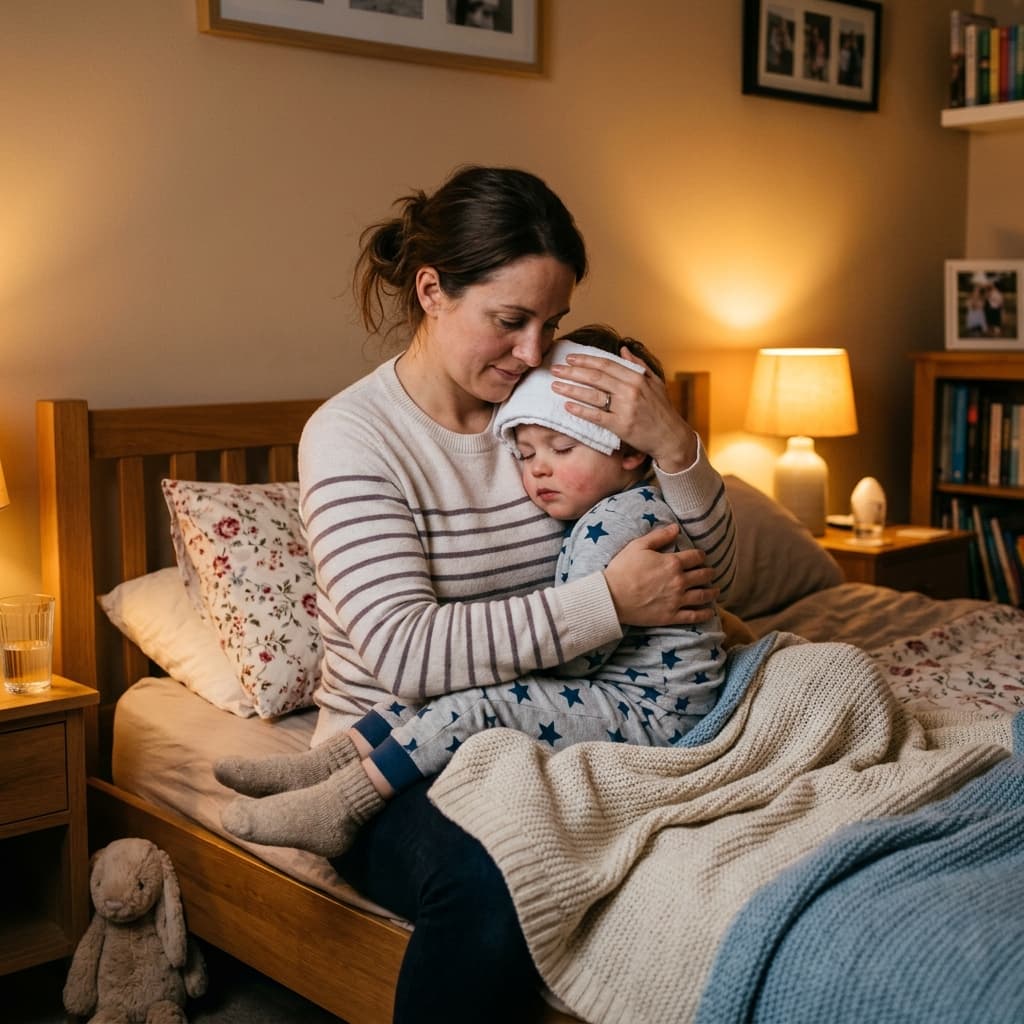
Baby Going Stiff / Body Stiffening Episodes
Sudden stiffening of a baby's body, backward arching, or tonic posturing episodes need urgent neurological evaluation to rule out infantile spasms or seizures.

Child Not Making Eye Contact
Reduced or absent eye contact in infants and toddlers is one of the earliest and most important early signs of autism spectrum disorder.
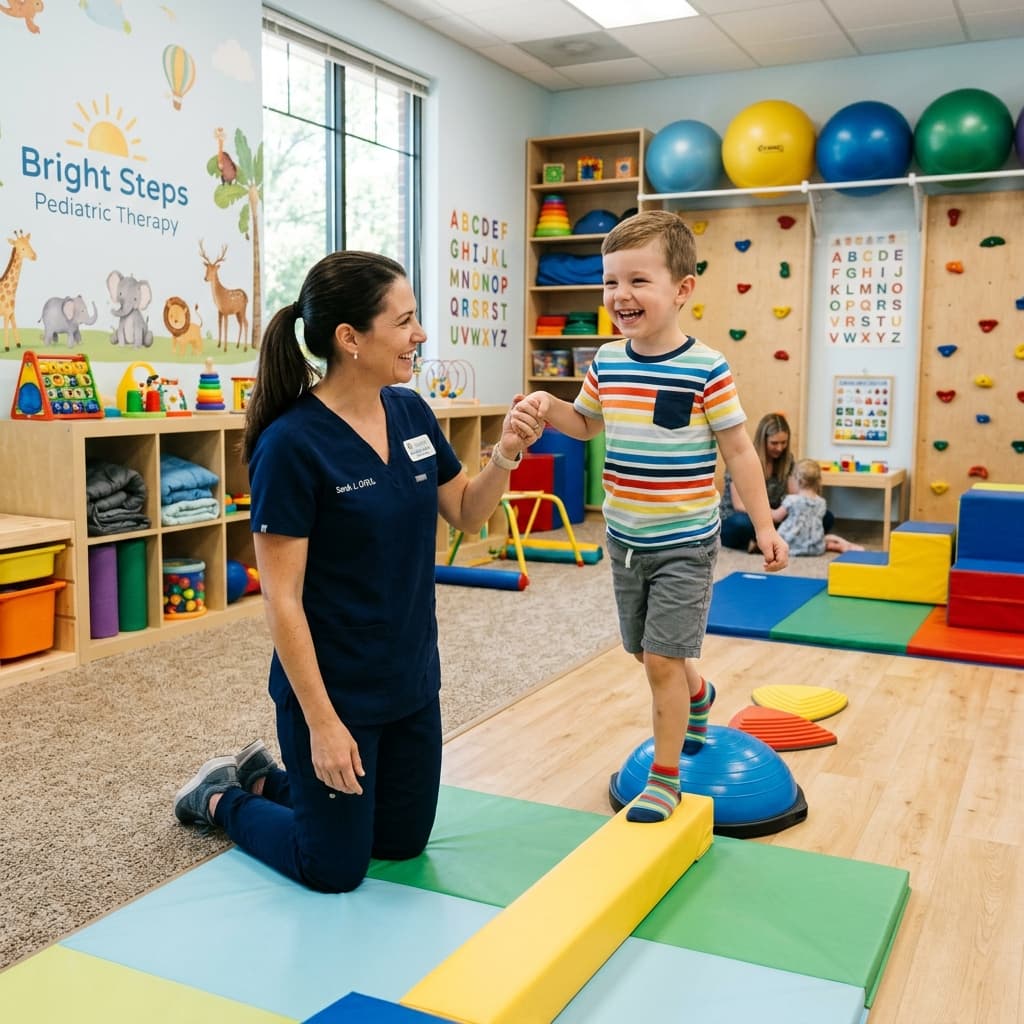
Child Walking on Tiptoes
Persistent toe-walking beyond 2 years of age may indicate autism, cerebral palsy, or muscle tone disorders and should be evaluated by a pediatric neurologist.

Child Head Banging
Repetitive head banging in toddlers is often self-soothing behaviour, but when persistent, intense, or associated with developmental concerns, neurological evaluation is needed.
Child Hand Flapping or Repetitive Movements
Hand flapping, arm flapping, and other repetitive stereotyped movements in children are key early signs of autism spectrum disorder requiring evaluation.

Child Sudden Falls / Drop Attacks
Sudden unexplained falls without tripping, brief loss of muscle tone, or drop attacks in children may indicate atonic seizures or other serious neurological conditions.

Child Extreme Rage / Uncontrollable Meltdowns
Extreme, prolonged meltdowns disproportionate to triggers, or rage episodes that seem outside the child's control, may have neurological or developmental underpinnings.
Child Forgetting Things / Memory Problems
Sudden or progressive memory difficulties, forgetting recently learned material, or loss of previously achieved skills requires urgent neurological evaluation.

Child Poor Balance / Unsteady Walking
Frequent stumbling, wide-based gait, poor hand-eye coordination, or a new onset of unsteady walking in children may indicate cerebellar or neuromuscular disorders.

Child Having Daily or Frequent Headaches
Frequent or daily headaches in children — especially with morning vomiting, vision changes, or worsening over weeks — need neurological evaluation to rule out serious causes.
Baby Not Responding to Name
A baby who does not consistently turn or respond to their name by 12 months needs evaluation for autism, hearing loss, or other developmental concerns.

Child Sleep Problems / Night Seizures
Night terrors, sleep walking, repetitive stereotyped movements during sleep, or morning fatigue with memory gaps may indicate nocturnal seizures requiring EEG evaluation.

Child Weakness on One Side of Body
One-sided arm or leg weakness, dragging one leg, or using only one hand preferentially before age 1 may indicate hemiplegia, cerebral palsy, or childhood stroke.
Red Flags: When to seek immediate care
If your child has a seizure lasting more than 5 minutes, experiences repetitive fits without waking up in between, has difficulty breathing, or shows sudden loss of consciousness after a head injury, seek emergency services immediately.
Need help scheduling an appointment?
Our centre coordinator is available to answer your questions and guide you through the process.