Clear medical answers for parents.
Browse plain-language answers to frequently asked pediatric neurology questions. Our content is written by medical experts to ensure accurate and reliable advice.
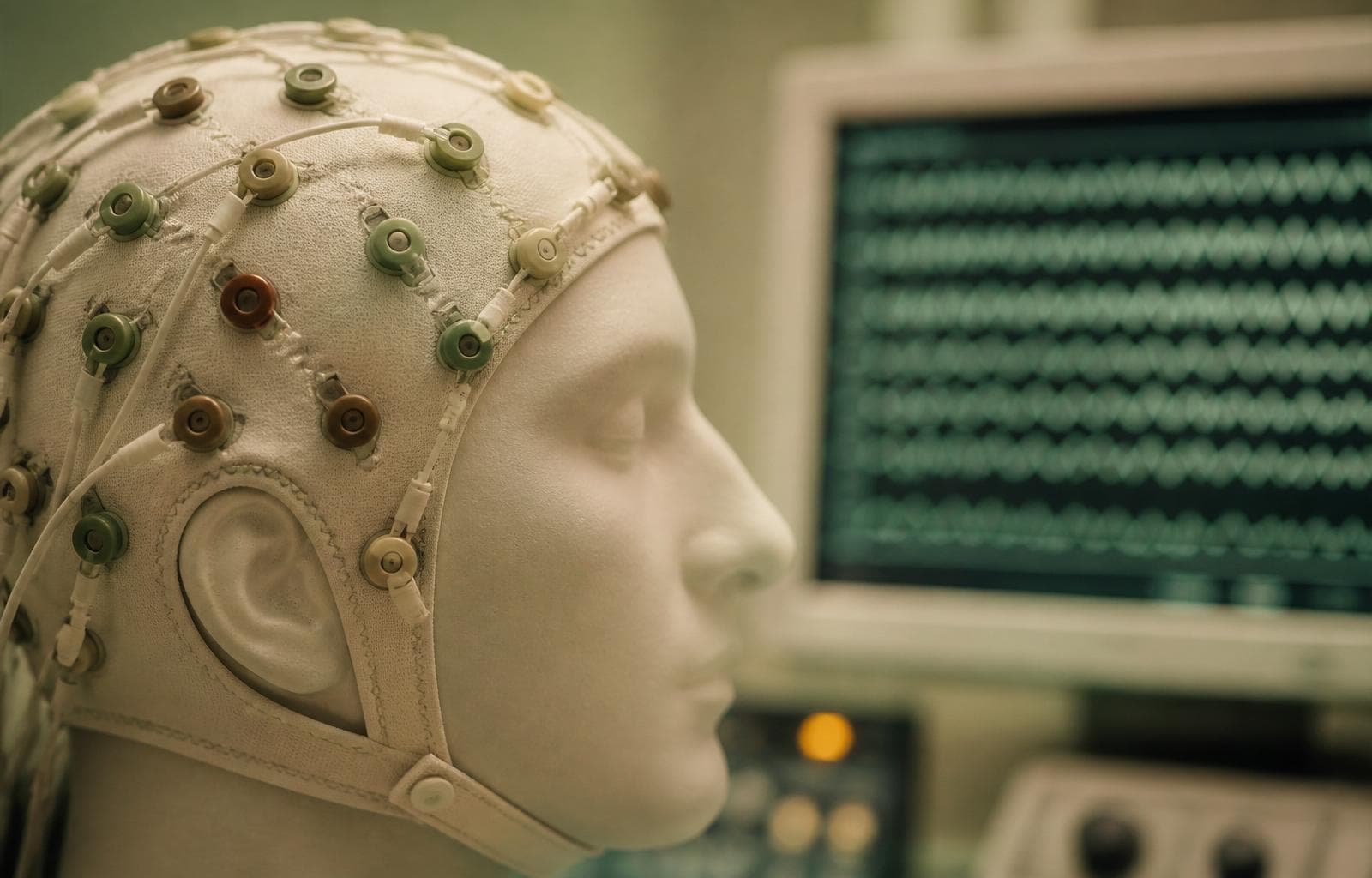
What is the difference between a routine EEG and a Video EEG (VEEG)?
A routine EEG records brain waves for 20-30 minutes, whereas a Video EEG (VEEG) records brain activity for hours while simultaneously capturing synchronized video of the child. VEEG is the gold standard for diagnosing epilepsy and distinguishing seizures from other behavioral spells.
Read full answerWhat should I do if my child is not speaking at 2 years of age?
By 2 years of age, a child should typically speak at least 50 individual words and combine two words together (e.g., 'want milk'). If your child is not speaking, exhibits limited eye contact, or doesn't respond to their name, schedule a developmental neurology and hearing evaluation immediately.
Read full answerAre febrile seizures (fits with fever) dangerous or life-threatening?
Simple febrile seizures, occurring with high fever in children aged 6 months to 5 years, are generally harmless and do not cause brain damage or learning disabilities. However, atypical or complex febrile seizures lasting longer than 15 minutes require detailed neurological evaluation.
Read full answerHow often does a child's EEG need to be repeated?
An EEG is not repeated on a fixed schedule. It is repeated to monitor treatment response, evaluate new seizure types, or assess if seizure medications can be safely stopped after 2-3 years of seizure-free period.
Read full answerWhat is the difference between Autism and simple Speech Delay?
A child with simple speech delay has difficulty producing sounds or words but communicates well through gestures, pointing, and eye contact. Autism involves not just speech delay but significant challenges in social communication, eye contact, and repetitive behaviors.
Read full answerIs an EEG test safe for newborns and premature babies?
Yes, EEG is 100% safe and painless for newborns and premature infants. It only records the natural electrical signals from the brain and does not send any electricity or radiation into the baby's body.
Read full answerCan a Ketogenic Diet help treat epilepsy in children?
Yes. The Ketogenic Diet is a medically supervised, high-fat, low-carbohydrate diet that is highly effective for children with drug-resistant (refractory) epilepsy who do not respond to multiple seizure medications.
Read full answerWhat are the 'red flag' symptoms of headache in children?
Red flags include headaches that wake a child from sleep, headaches accompanied by vomiting in the early morning, headache after head injury, progressive worsening of pain, or headaches associated with double vision, imbalance, or fever.
Read full answerAre ADHD medications safe for children, and what are their side effects?
ADHD medications are highly effective and safe when used under strict medical supervision. Common side effects include decreased appetite, mild difficulty falling asleep, and transient stomach ache, which can be managed by adjusting the dosage or timing.
Read full answerWhat are breath-holding spells, and do they cause brain damage?
Breath-holding spells are involuntary episodes where a child holds their breath and may turn blue or faint, usually triggered by anger, pain, or fear. They are benign and do not cause brain damage, epilepsy, or learning problems.
Read full answerWill my child with Cerebral Palsy be able to walk independently?
Many children with Cerebral Palsy learn to walk, either independently or with assistance. The walking ability depends on the severity of the motor injury, the type of CP, and how early intensive physical therapy is started.
Read full answerWhat are the common neurological causes of learning problems in school-age children?
Common causes include ADHD, Specific Learning Disabilities (like Dyslexia), mild intellectual disability, untreated focal epilepsy (even without obvious fits), and chronic sleep disorders.
Read full answerWhen and how can we stop epilepsy medications for a child?
Epilepsy medications are typically tapered off after a child has been completely seizure-free for at least 2 years, and a repeat EEG shows normal brain activity. Medications must never be stopped suddenly.
Read full answerHow are seizures in newborns different from those in older children?
Newborn seizures are often very subtle and easily missed. Instead of full-body shaking, they may present as lip-smacking, tongue movements, abnormal eye movements, or repetitive cycling movements of the legs.
Read full answerWhat is the correct first-aid during a child's active seizure?
Gently roll the child onto their side, protect their head from hard surfaces, loosen tight clothing around the neck, and time the seizure. Never put objects in their mouth, do not hold them down, and do not feed water.
Read full answer